In the evolution of fashion culture, aesthetic expression has moved far beyond fabric, silhouette, and runway spectacle. Today, ambience — the way a space feels — has become as vital to style as the clothes we wear. At the forefront of this shift is smart lighting — a technological canvas through which atmosphere, mood, and identity are articulated.
Among smart lighting systems, Philips Hue (philips-hue.com) has emerged as a standout symbol of where technology meets style. Once a niche gadget for tech enthusiasts, smart lights are now infiltrating the core of European fashion culture — influencing runway presentations, store interiors, editorial shoots, and the way fashion brands communicate their identity.
When Light Becomes Design
Europe is home to a long tradition of design excellence. From Bauhaus minimalism in Germany to Scandinavian modernity and Italian sophistication, aesthetics have always been central to everyday life.
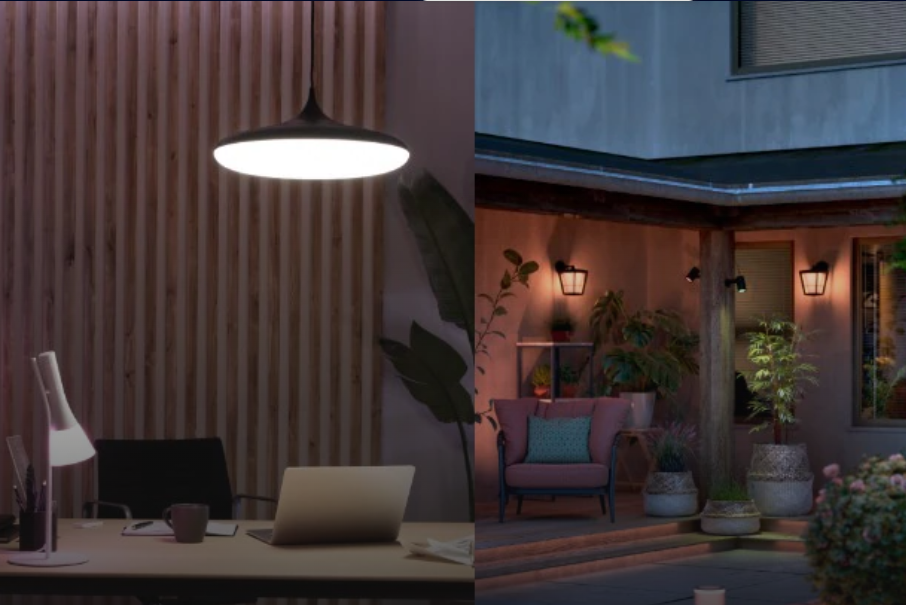
Smart lighting fits into this continuum not simply as technology, but as design. Philips Hue’s modular bulbs, sleek strips, and wireless systems are increasingly integrated into interiors not merely for function, but for visual storytelling.
In Parisian concept stores or Milanese flagship boutiques, lighting schemes — once relegated to overhead fluorescents — are now orchestrated to create narrative tension, seasonal mood, and spatial identity. Hue’s 16-million-color palette allows interior designers and fashion curators to craft atmospheres that resonate with brand worlds.
Light becomes another design element — just as influential as material or typography.
Fashion Week Atmosphere: A New Sensory Layer
When Fashion Weeks pivot from clothing to experience, lighting becomes the silent architect of memory.
At recent runway presentations in London and Copenhagen, smart lighting technologies have been deployed to evoke:
- Night-time urban energy
- Sunset gradients across fabric
- Pulse-like transitions synced with music
- Immersive colour fields framing models
By controlling not only intensity but temperature, color transitions, and timing, these systems allow designers to create a cohesive sensory arc — ensuring collections are experienced, rather than merely seen.
In a region where sensory storytelling is increasingly central to fashion brand identity, lighting technologies like Philips Hue are no longer accessories — they are collaborators.
Retail Spaces as Living Fashion Exhibits
In post-COVID Europe, the physical store is being reimagined as an experiential space: a hybrid of gallery, boutique, and social hub.
Brands such as COS, Aesop, and Acne Studios — known for minimalist interiors and high design standards — have adopted smart lighting schemes that respond to daylight cycles, product displays, and customer pathways.
Smart lighting does more than highlight merchandise — it frames it. It cues emotion, guides visual attention, and shifts perception from functional retail to curated experience.
Hue’s proximity sensors and customizable scenes allow lighting to evolve with customer presence, creating dynamic environments that feel both personal and progressive.
Editorial Imagery and Digital Expression
Editorial photography and digital campaigns increasingly leverage colour and atmosphere as symbolic tools. In fashion editorials, controlled lighting is frequently as composing element as styling or set design.
Photographers now collaborate with lighting designers to shape hue transitions that reflect narrative themes:
- Euphoria and warmth in summer collections
- Ethereal coolness for eveningwear
- Moody contrasts for avant-garde couture
Here, Philips Hue’s programmable lighting serves as a portable palette, enabling creators to experiment with subtle gradients, bold colour theory, and layered lighting effects.
Aesthetics Meets Sustainability
Europe’s fashion ecosystem places sustainability at its core — not just as an ethical imperative, but as a stylistic language.
Smart lighting fits this ethos. LED technology consumes far less energy than traditional lighting and can be programmed to minimize waste through occupancy sensors, adaptive brightness, and scheduling.
In fashion, where environmental messaging is intertwined with brand identity, this technical efficiency becomes a visual language of responsibility. A boutique that dims lighting during quiet hours — or that choreographs lighting to respond gently to human presence — demonstrates an aesthetic commitment to both beauty and sustainability.
This duality reinforces a critically important message: design today must be beautiful and conscientious.
The Logic of Integration: Why Smart Lighting Matters
The convergence of smart lighting and fashion culture in Europe is not accidental. It emerges from three overlapping forces:
- Design tradition: Europe’s deep heritage of aesthetic intentionality creates fertile ground for innovations that marry form and function.
- Experience economy: Consumers no longer seek products alone — they seek curated worlds shaped by ambience, narrative, and sensory mood.
- Digital creativity: Fashion expression is now multi-modal — extending into space, sound, and atmosphere, beyond garments alone.
Smart lighting becomes a tool for shaping emotional resonance. It allows brands to say: We are minimal. We are vibrant. We respond to you.
Light as Style: A New Frontier
In an era where fashion competes with entertainment, digital media, and lifestyle culture for human attention, lighting acts as a bridge between physical and emotional experience.
Paris, Milan, London, and Copenhagen — traditional seats of fashion influence — are now laboratories where smart lighting systems like Philips Hue are being used to craft new vocabularies of style.
An outfit may define a season — but the way it is seen, felt, and framed defines its cultural impact.
Light, in this sense, has become more than illumination — it is style, signal, and atmosphere. And in Europe’s fashion hemisphere, smart lighting is fast becoming the unseen wardrobe that dresses a space.