THE QUIET POWER OF LEATHER: WHY HERITAGE GLOVES ARE THE NEXT AMERICAN LUXURY
By [Author Name]
In an age dominated by digital convenience and hyper-functional fashion, something almost counter-cultural is happening in America’s luxury landscape: a renewed desire for craft, heritage, and the tactile beauty of objects made to last. From the return of bespoke tailoring to the rise of artisanal accessories, the most discerning consumers are quietly rejecting disposable trends for pieces that tell a story.
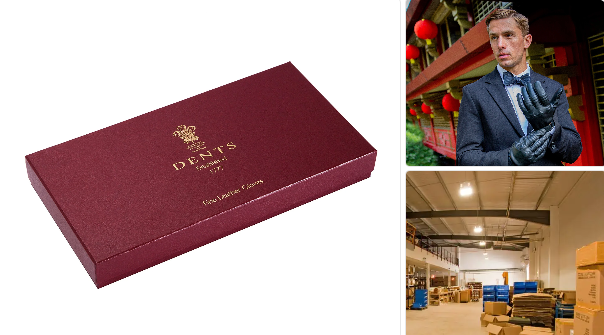
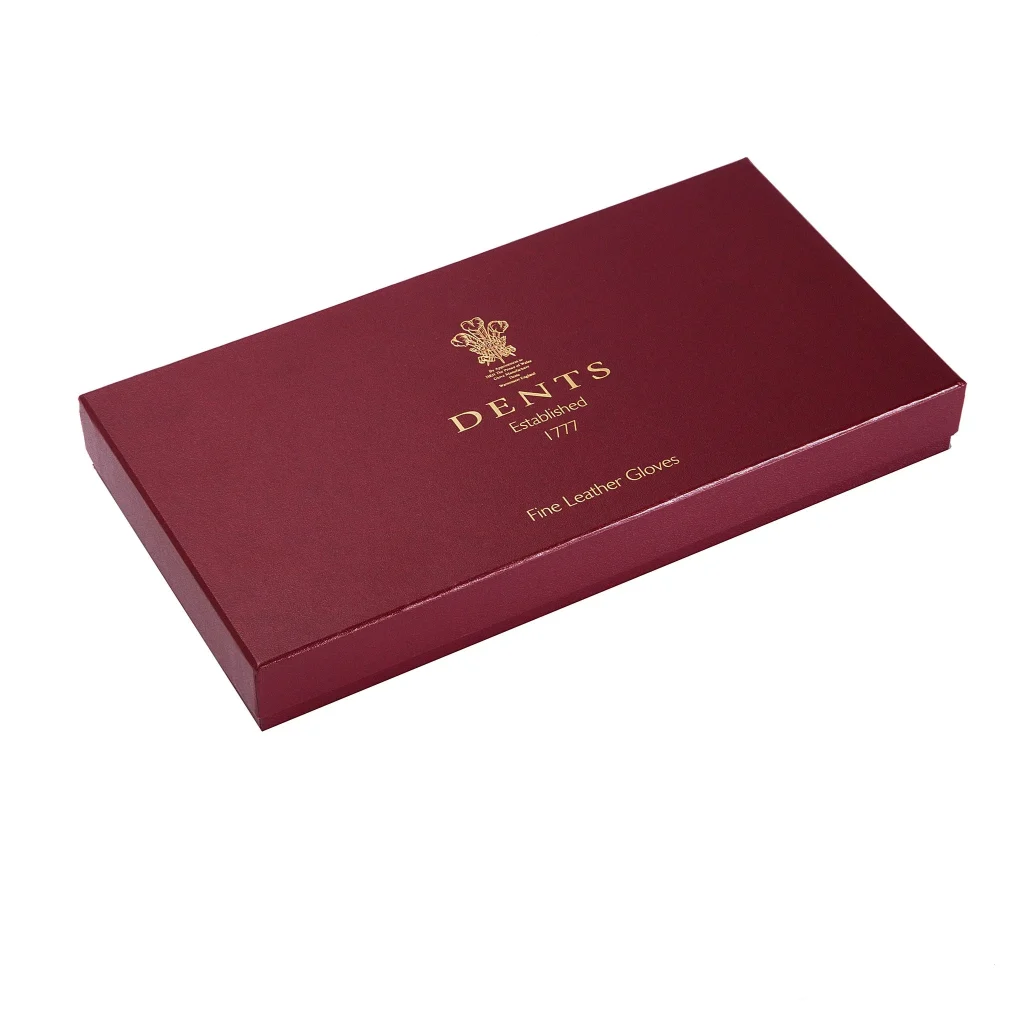
Among these understated status symbols, one category stands out—luxury leather gloves. Minimal, elegant, and rooted in centuries-old craftsmanship, gloves are reclaiming their place not just as cold-weather essentials, but as emblems of personal taste. And at the center of this revival is Dents, the British glove maker established in 1777, whose arrival on the American market reflects more than just a product launch—it signals the evolution of modern luxury.
A Return to Heritage Craft
The growing appreciation for heritage in the U.S. is more than nostalgia; it is a reaction to fast fashion fatigue. While trend cycles shorten, the value of artisanal skill is rising. Dents’ gloves—hand-stitched in premium peccary, deerskin, or smooth English leather—speak to this shift. Each pair requires hours of specialist work, passing through the hands of makers who see glove-making as both technique and tradition.
In an era where luxury brands often chase novelty, the appeal of something unchanged is suddenly contemporary.
The Luxury of Subtlety
American luxury consumers are evolving. Today’s status is less about visible logos and more about discreet refinement—what wealth psychology calls “quiet luxury.” A pair of perfectly tailored gloves signals taste rather than excess.
Leather gloves perform a uniquely intimate role:
- They shape to the wearer’s grip.
- They take on personal patina over time.
- They accompany ritual moments—driving a vintage car, winter walks, workday commutes.
The emotional connection is powerful. In a culture rediscovering the poetry of the handmade, Dents is not selling gloves—they are offering a slow luxury experience.
The Cultural Moment: Gloves as Style Language
American fashion has always cycled through waves of minimalism and maximalism. Today, the pendulum swings back to clean silhouettes and tactile materials. Gloves naturally complement:
- neoclassical tailoring
- structured outerwear
- quiet luxury wardrobes
- heritage Americana aesthetics
In cities like New York, Chicago, and Boston—where winter style is a performance—gloves become punctuation marks: precise, intimate, architectural.
Social media has also played a role. The rise of #StealthWealth and #MenswearRenaissance on TikTok and Instagram has made curated minimalism aspirational again. A buttery leather glove in a deep mahogany shade can signal more than an entire branded outfit.
Functional Luxury for a New Generation
Another driver behind America’s glove resurgence is the shift toward purpose-driven luxury. Consumers, particularly in the 28–45 age range, are increasingly drawn to brands that combine practicality with emotional value.
Dents capitalizes on this cultural intersection:
- gloves as driving gear for the vintage automotive community
- gloves as urban essentials blending elegance and warmth
- gloves as collectible pieces representing British craft history
When luxury meets lifestyle, accessories become identity markers.
A Symbol of Responsible Consumption
Sustainable luxury is no longer an added value—it is becoming a prerequisite. High-quality gloves last for decades, reducing consumption cycles and reshaping the psychology of fashion purchase behaviors.
Unlike trend-driven items, fine gloves transcend seasons. A model made in 2025 could easily match a coat bought ten years later. This longevity speaks directly to an audience ready to invest in fewer, better things.
Why the U.S. Market Matters
For heritage brands like Dents, the United States represents more than a retail expansion—it is a cultural alignment. American consumers are driving the global conversation around:
- conscious luxury
- personal style expression
- the value of craft over branding
Within high-income metropolitan regions—New York, Los Angeles, San Francisco, Austin—micro-communities of craft lovers and couture collectors are reshaping how luxury items are discovered and valued.
The U.S. is also home to thriving industries where gloves hold symbolic meaning:
- automotive tourism and classic car culture
- equestrian sports
- architecture and design circles
- bespoke menswear tailors
For these worlds, gloves are tools and trophies, blending utility and mystique.
Leather Gloves in the American Fashion Ecosystem
The accessory landscape in the U.S. is changing. Scarves and hats have enjoyed years of trend cycling, but gloves are now having a moment of rediscovery. Their desirability is evolving along three pillars:
1. Seasonal Essentials
Climate shifts are pushing cities into colder peaks and longer transitional seasons. Gloves are no longer occasional—they are seasonal staples.
2. Multi-Gender Appeal
The rise of genderless tailoring opens space for gloves as universal icons of elegance.
3. Luxury Entry Point
High craftsmanship at an accessible price tier means consumers enter the world of heritage luxury without purchasing a $6,000 coat.
A pair of Dents gloves is often a person’s first intentionally crafted luxury object.
The New Ritual of Dress
In a time where fashion seeks emotional resonance, gloves represent ritual—slipping them on is like switching into another persona: composed, elegant, ready. They heighten the awareness of dressing, transforming a simple gesture into style poetry.
This feeling—the moment of putting gloves on—is central to their cultural power.
The Future of Luxury Is Sensory
Luxury is shifting from the visual to the sensory. Textures, materials, and craftsmanship matter in ways digital culture can’t fully replicate.
In this context, leather gloves are not relics of an old lifestyle—they are symbols of how modern consumers define value: through touch, longevity, and heritage.
Dents and the American Style Narrative
The relationship between British heritage and American contemporary culture is longstanding. From Savile Row tailoring in Hollywood to British tweed in American sportswear, the two fashion worlds constantly inspire each other.
Dents’ entrance into the U.S. market continues this exchange, bringing the precision of British craft to American wardrobes defined by ease, confidence, and cultural curiosity.
发表回复