Abstract
The premium footwear industry, encompassing fashion-oriented and higher-value shoe brands like Harris Shoes, remains a significant segment of the global apparel and accessories market. This paper evaluates the future development trajectory of the sector, examines opportunities and threats, and discusses whether core category demand may diminish or be disrupted by structural, technological, or consumer-driven forces. Despite challenges from digital transformation, sustainability pressures, and shifting purchasing behaviors, the premium footwear segment is poised for continued relevance through innovation and consumer experience optimization.
1. Introduction
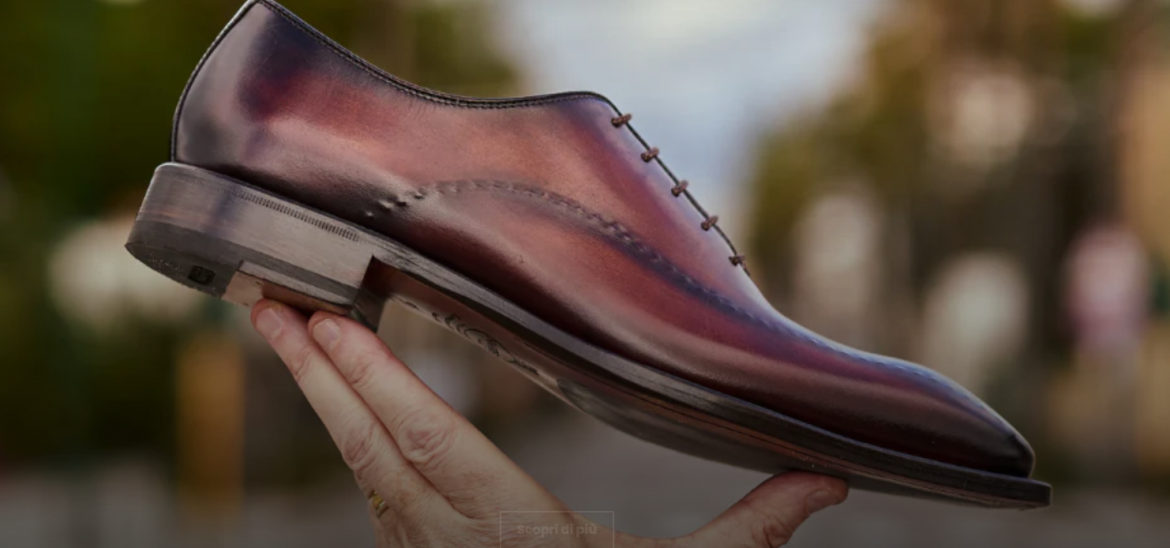
Footwear has historically been one of the largest categories within global apparel, combining function, culture, and fashion. With origins tied to craftsmanship and regional design identities, brands like Harris Shoes represent a blend of Italian style heritage and contemporary retail distribution, both online and in physical stores (harrisshoes.it).
Unlike fast fashion or low-cost utility footwear, premium footwear emphasizes design quality, material performance, and brand positioning. Nonetheless, it faces broad market forces reshaping consumer demand and industry economics.
2. Market Development and Growth Potential
2.1 Industry Size and Global Trends
The global footwear market was estimated at around USD 495.5 billion in 2025, with projected growth to approximately USD 557.2 billion by 2030, reflecting increasing demand in both developed and emerging markets. Luxury and premium footwear are among the higher-growth sub-segments, driven by:
- Rising disposable income
- Fashion consciousness
- Expansion of e-commerce
- Demand for high-quality and differentiated products
While mainstream athletic and casual footwear dominate volume, premium footwear maintains a healthy share of value due to higher average selling prices and brand loyalties.
2.2 E-Commerce and Digital Reach
The pandemic accelerated digital adoption across retail categories. Premium footwear brands have responded by:
- Developing direct-to-consumer (DTC) channels
- Integrating omnichannel experiences (online + in-store)
- Using data analytics for personalization and inventory optimization
Data shows that online footwear sales in Europe and North America continuously grow faster than traditional retail, with digital channels capturing 30–40% of category revenue in 2025.
This trend reduces dependency on physical retail footprint alone and opens premium brands to global reach without proportionately scaling overheads.
2.3 Demand for Craftsmanship and Brand Story
High-end and premium consumers increasingly choose brands that convey authenticity, craftsmanship, and heritage narratives. Italian shoe brands such as Harris Shoes leverage long-standing artisanal traditions, material quality, and design heritage — characteristics that remain compelling in luxury value segments.
3. Key Future Development Directions
3.1 Sustainable Innovation
Consumer attention toward environmental and social responsibility is rapidly increasing. Major trends include:
- Sustainable materials (e.g., recycled leather, bio-based synthetics)
- Transparent supply chains with traceability
- Reduced carbon footprint manufacturing
- Circular fashion strategies such as repair, resale, and recycling programs
Research indicates that over 60% of fashion consumers are willing to pay premium prices for sustainably produced products, making eco-innovation a strategic differentiator rather than a niche choice.
3.2 Personalization and Digital Experiences
Technology is enabling personalized consumer journeys:
- Virtual try-on via augmented reality (AR)
- AI-driven size and fit recommendations
- Custom design tools for individualized creations
These digital enhancements increase customer satisfaction and reduce returns, a major cost factor in online footwear retail.
3.3 Expansion into Adjacent Categories
Premium footwear brands increasingly diversify into adjacent lifestyle categories:
- Apparel and accessories
- Bags and leather goods
- Footwear care kits and premium services
This diversification allows brands to build broader customer baskets and higher lifetime value per consumer.
4. Industry Challenges and Potential Crises
Despite promising areas of growth, several structural headwinds could impact the industry:
4.1 Economic Cyclicality
Premium footwear demand is sensitive to economic slowdowns. In recessions or periods of reduced discretionary spending, luxury and high-end footwear purchases decline faster than basic categories.
4.2 Competitive Pressure
The market includes:
- Global sportswear giants (Nike, Adidas)
- Lifestyle brands with strong digital presence (Allbirds, Rothy’s)
- Fast fashion players offering competitive pricing
These forces intensify competition for consumer attention and wallet share, especially in younger demographics.
4.3 Digital Disruption and New Consumer Preferences
Younger consumers increasingly prioritize experiences and sustainability — not just brand prestige. This alters traditional luxury positioning and requires adaptation to:
- Social-commerce driven purchase patterns
- Influencer and user-generated content
- Direct digital engagement rather than legacy retail reliance
5. Competitive Disruption from Smartphones and Lifestyle Tech
Unlike categories such as cameras (where innovation disrupted old paradigms), footwear does not face category obsolescence from smartphone substitution. However, lifestyle tech does influence consumer spending priorities. For example:
- Fitness wearables (smart shoes, smart insoles) may alter what consumers expect from performance footwear.
- Virtual worlds and digital avatars create demand for fashion in digital spaces, but physical footwear remains indispensable.
Thus, the threat is not replacement, but attention and budget diversion away from traditional fashion and toward digital experiences and tech-related lifestyle spend.
6. Will the Industry Be Eliminated?
The premium footwear sector is unlikely to be “phased out” in the foreseeable future. Several factors support its continued relevance:
- Footwear addresses an actual physical need, and fashion expression remains fundamental to consumer identity.
- Materials and craftsmanship create value propositions not replicable digitally.
- Sustainability and circular fashion initiatives expand product lifecycles rather than contract them.
Rather than elimination, the future is likely to entail transformation — particularly in how products are marketed, experienced, and integrated with technology.
7. Conclusion
The premium footwear industry stands at a crossroads of opportunity and challenge. Growth pathways revolve around digital innovation, sustainability priorities, enhanced customer journeys, and diversification of product and service offerings.
Key takeaways regarding the future trajectory:
- Long-term growth remains strong, driven by consumer willingness to invest in quality and design.
- Digital and omnichannel strategies are essential for market competitiveness.
- Sustainability is a strategic priority that influences purchasing behavior and brand loyalty.
- Competitive threats lie not in obsolescence but in shifting consumer habits and technology-driven lifestyle trends.
Overall, the sector is neither obsolete nor declining — but evolving. Brands that adapt to consumer expectations, technological integration, and sustainability imperatives will lead the marketplace in both domestic and international arenas.