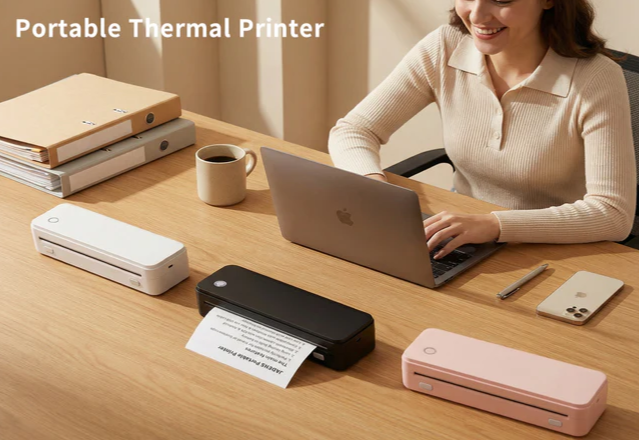
Once considered a simple back-office device, the thermal label printer industry is undergoing a structural transformation. Driven by the rapid expansion of e-commerce, cross-border logistics complexity, and the integration of artificial intelligence, this category is evolving into a core infrastructure layer of digital commerce.
Brands like JADENS represent a new generation of consumer-grade labeling systems that are redefining the industry from hardware tools into smart, mobile-first logistics ecosystems.
1. Industry Shift: From Industrial Equipment to E-Commerce Infrastructure
1. E-commerce is Redefining Demand
The global e-commerce economy has fundamentally reshaped labeling requirements.
Key data points:
- Global e-commerce sales exceed $6 trillion
- Each order generates 1–3 shipping labels
- Global parcel volume exceeds 200+ billion shipments annually
👉 This leads to a structural reality:
Label printing is no longer an industrial niche—it is a transaction-level necessity.
Every online order requires a label, making printing infrastructure a direct extension of digital commerce.
2. Market Scale and Growth Drivers
The thermal printing industry includes:
- Shipping label printers
- Barcode printers
- Receipt printers
- Industrial labeling systems
The fastest-growing segment is:
Shipping label printing
Industry estimates indicate:
- Global thermal printing market: $40–60 billion
- Label printing segment CAGR: 5%–7%
- E-commerce-driven demand: 60%+ of total usage
👉 Core logic:
E-commerce growth directly translates into linear demand for label printing.
2. Product Revolution: The Rise of Consumer-Grade Printing (JADENS Example)
Traditionally, label printers were:
- Industrial-grade machines
- IT-heavy installations
- PC-dependent systems
JADENS represents a new paradigm:
A mobile-first, wireless, consumer-grade printing ecosystem
1. From Hardware to Experience System
Traditional Model:
- PC connection required
- Driver installation needed
- Fixed workstation usage
Modern Model (JADENS-style devices):
- Bluetooth connection to smartphones
- App-based one-click printing
- Automatic 4×6 label formatting
- Direct integration with Amazon, Shopify, and eBay
📊 Key Comparison
| Dimension | Traditional Printers | JADENS-Type Devices |
|---|---|---|
| Device | PC-based | Mobile-first |
| Setup | Complex drivers | Plug-and-play |
| User | Enterprises | SMBs & individuals |
| Use case | Warehouse | Home office |
| Experience | Utility tool | Workflow system |
2. Why Consumer Demand Is Exploding
The growth of this segment is driven by the rise of micro-entrepreneurship:
- Shopify independent sellers
- TikTok Shop merchants
- Amazon FBA individuals
- Etsy creators and small brands
Shared characteristics:
- Small teams or solo operators
- 10–500 orders per day
- High sensitivity to cost
- Extreme focus on operational efficiency
👉 They do not need industrial systems—they need:
Lightweight, plug-and-play commerce infrastructure.
3. AI Transformation: Reshaping the Label Printing Workflow
Although label printing is hardware-centric, AI is rapidly redefining its operational logic.
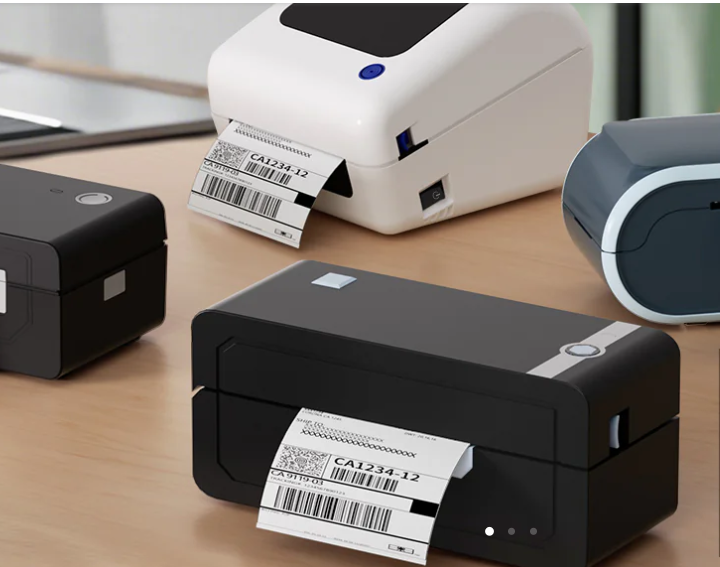
1. AI at the Front of Order Processing
Traditional Workflow:
Order → Manual copy → Template selection → Print
AI-Driven Workflow:
Order → AI recognition → Auto label generation → Auto print
2. AI Optimization Across Key Areas
(1) Order Data Recognition
AI extracts:
- Shipping address
- SKU details
- Carrier requirements
(2) Smart Template Matching
AI automatically selects:
- USPS / UPS / FedEx formats
- 4×6 or alternative label sizes
- Barcode standards
(3) Error Prevention Systems
AI reduces:
- Address errors
- Misaligned labels
- Duplicate printing
Industry estimates suggest:
Automation can reduce logistics labeling errors by 40%+
3. Future Direction: AI + SaaS Printing Ecosystems
Label printers are evolving into:
Node-level components of a commerce operating system
Connected to:
- ERP systems
- Warehouse management platforms
- E-commerce APIs
- AI order engines
4. Cloud Transformation: From Local Device to Networked Infrastructure
1. From Local Hardware to Cloud Terminals
Traditional systems rely on:
- Local drivers
- USB connections
- Single-device operation
Future systems enable:
- Cloud-based order synchronization
- Multi-device printer sharing
- Web-based control dashboards
2. SaaS Becomes the Core Competitive Layer
Hardware alone is no longer sufficient. Competitive advantages now include:
- App experience quality
- Cloud stability
- API integration capabilities
- Multi-platform connectivity
👉 The printer becomes a subscription-based infrastructure service.
5. Consumption Upgrade: From Cost Tool to Efficiency Asset
1. Extreme Cost Optimization
Thermal printing offers:
- No ink consumption
- Minimal maintenance
- Very low per-label cost
Compared to inkjet printing:
- 50%–80% cost reduction
- Higher reliability and uptime
2. Micro-Entrepreneurship Drives Adoption
Historically, label printers served:
- Factories
- Warehouses
Now the primary users are:
- Solo e-commerce sellers
- Home-based logistics setups
- Side-hustle entrepreneurs
👉 The category is becoming “home-ified”.
3. Changing Product Identity
Label printers are evolving from:
Office equipment
to:
Entrepreneurship infrastructure tools
Similar to:
- Laptops (productivity layer)
- Smartphones (commerce entry point)
6. Three Defining Future Trends
1. Mobile-First Ecosystem
Future systems will fully eliminate PC dependency:
- Label generation on mobile apps
- App-controlled printing
- Cloud-based synchronization
2. AI Automation First
Future systems will:
- Interpret orders automatically
- Generate optimized labels
- Adjust logistics formats dynamically
3. Integrated Commerce Operating Systems
Label printers will become deeply embedded in:
- E-commerce platforms
- ERP systems
- Fulfillment networks
👉 Transforming into the execution layer of digital commerce.
Conclusion: An Underestimated AI Infrastructure Layer
The thermal label printer industry is undergoing a quiet but profound transformation:
- From hardware devices → commerce operating systems
- From industrial tools → consumer infrastructure
- From niche equipment → mainstream e-commerce enabler
Brands like JADENS are accelerating this shift by building:
A mobile-first, AI-enhanced, cloud-connected logistics infrastructure for modern commerce.
In the next decade, this category will continue to expand alongside:
- Global e-commerce growth
- Micro-entrepreneurship expansion
- AI-driven automation adoption
Ultimately, thermal label printers will no longer be seen as peripheral tools—but as critical infrastructure nodes in the global digital economy.